Moroccan cuisine: flavors, history and the most representative typical dishes
The Moroccan cuisine It is an exquisite representation of the history and geography of Morocco, With Arab, Berber, Mediterranean, and African influences, its cuisine is distinguished by the harmony between spices, herbs, and traditional techniques passed down from generation to generation.
Each bite of a Moroccan dish transports the taster to the country's souks and medinas, where the aromas of cumin, saffron, and coriander permeate the air.
What characterizes Moroccan gastronomy?
The typical Moroccan dishes They reflect their cultural and climatic diversity. From slow-cooked stews to fresh starters and salads, the Moroccan food It combines sweet, salty, and spicy flavors with unique mastery.
Among the most commonly used ingredients are the couscous, the olives, the preserved lemons, the spices and a wide variety of vegetables and meats.
Moroccan gastronomy is not just food: it is a living tradition that connects families and celebrates the country's hospitality.
Origin and influences of Moroccan cuisine
Moroccan cuisine has its roots in the need to preserving food in a desert climate, and has been shaped by the mixture of cultures —Arab, Andalusian, Berber and Jewish— that have passed through its territory.
Each recipe tells a story, and each flavor is the result of centuries of coexistence and cultural exchange.
The 10 most representative dishes of Morocco
If you travel to Morocco, you can't leave without trying some of these traditional Moroccan dishes:
-
Tajín: stew cooked slowly in a clay pot with a conical lid.
-
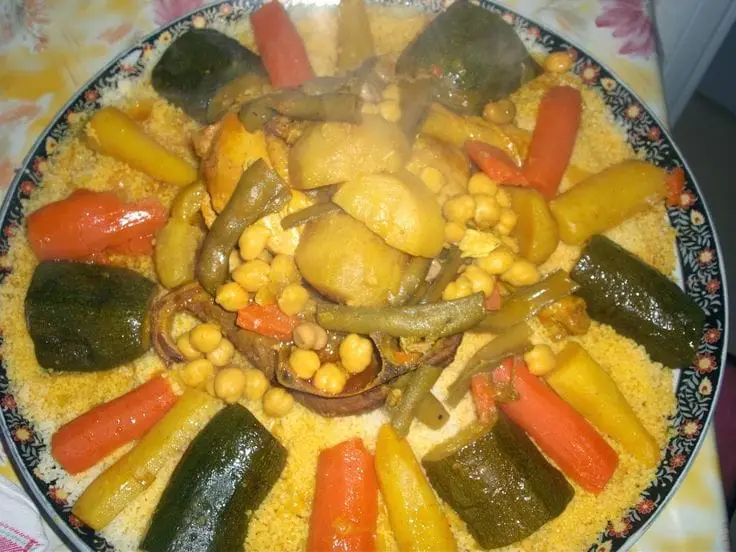
Couscous: semolina served with vegetables, meat or chicken.
-
Harira: Nutritious soup with legumes and spices, typical of Ramadan.
-
Kefta: Meatballs made of minced meat (lamb or beef), seasoned and roasted.
-
Pastela: crispy pastry filled with chicken or pigeon, almonds and cinnamon.
-
Mechoui: whole roast lamb, a traditional festive dish.
-
Fish tagine: coastal version with fish, seafood and vegetables.
-
Bissara: mashed broad beans or peas, very popular at breakfast.
-
Moroccan salad: a mixture of tomatoes, cucumbers, onions and fresh herbs.
-
Briouats: filo pastry triangles filled with meat, cheese or vegetables.
How to prepare a traditional Moroccan tagine
He tagine, One of Morocco's most emblematic dishes, it takes its name from the clay pot in which it is cooked. Its secret lies in the slow cooker, which allows the meat, vegetables and spices to blend perfectly.
Basic recipe for Moroccan tagine
-
Heat the tagine with a little oil and sauté onion and garlic.
-
Add the meat (lamb, chicken or beef) and brown it lightly.
-
It incorporates the spices: cumin, turmeric, ginger, pepper and saffron.
-
Add the vegetables (carrots, zucchini, tomatoes) and a little water or broth.
-
Cook over very low heat for 1–2 hours until the meat is tender.
The result is an aromatic, mild and flavorful dish, ideal for sharing with family or friends.
Essential ingredients of Moroccan cuisine
The Moroccan cuisine It is characterized by its abundance of fresh ingredients, herbs and spices that bring aroma and color to each dish.
Main Moroccan ingredients
-
Olive oil and olives
-
Canned lemons
-
Dried fruits (dates, raisins, apricots)
-
Vegetables such as tomatoes, eggplants, peppers, and carrots
-
Lamb, chicken and beef
-
Legumes: chickpeas, lentils, broad beans
-
Spices: cumin, coriander, parsley, ginger, turmeric, and saffron
These ingredients form the basis of the authentic flavors of Moroccan cuisine, making it one of the most highly regarded in the Arab and Mediterranean world.
Conclusion
The Moroccan cuisine It's much more than a way of eating: it's a cultural expression and an invitation to discover Morocco through taste. From the tagine until the pastilla, Each dish represents the warmth, history, and diversity of this vibrant country.
If you travel to Morocco, don't miss the opportunity to enjoy its gastronomy in a traditional setting: it will be an unforgettable experience.