Where is Morocco located? Geographic location, map, and key facts
Morocco It is a country located in northwest Africa, considered the gateway to the African continent from Europe. Its strategic position between the Atlantic Ocean and the Mediterranean Sea makes it a key territory both historically and geographically.
Many people wonder exactly where Morocco is located because it is very close to Spain, but it belongs to the African continent and has its own cultural identity marked by Arab, Berber and Mediterranean influences.
Geographic location of Morocco
Morocco is located in the westernmost part of North Africa. Its geographical boundaries are as follows:
-
To the north: Mediterranean Sea
-
To the west: Atlantic Ocean
-
To the east and southeast: Algeria
-
To the south: territory of Western Sahara
-
To the north, across the sea: Spain
Between Morocco and Spain lies the Strait of Gibraltar, one of the world's most important maritime passages. At its narrowest point, it separates the two continents by a mere 14 kilometers.
This proximity makes it possible to travel between Europe and Africa in a very short time, either by ferry or by plane.
Morocco on the world map

Globally, Morocco is part of the Maghreb region, along with Algeria, Tunisia, Libya, and Mauritania. It is one of the most stable and frequently visited countries in North Africa, with strong historical ties to Europe and the Middle East.
Its geographical location makes it a meeting point between several cultural areas:
Sub-Saharan Africa
Arab world
Mediterranean Europe
This mix of influences is reflected in its language, architecture, gastronomy, and traditions.

Distance between Morocco and Spain
Morocco is the closest African country to Western Europe. Some approximate distances are:
Tarifa — Tangier: about 14 kilometers by sea
Seville — Tangier: approximately 200 kilometers
Madrid — Marrakech: around 1,200 kilometers
Barcelona — Casablanca: about 1,400 kilometers
Flights from Spain usually last between one and two hours, while the ferry journey can take between one and two hours depending on the route.

Main regions and landscapes of Morocco
Although many people associate Morocco solely with the desert, the country possesses a great diversity of landscapes.
Atlas Mountains
This mountain range runs through the country from southwest to northeast and is home to traditional Berber villages, valleys, and high mountain areas.
Sahara Desert
Located in the southeast, it is one of the country's major tourist attractions. The Erg Chebbi and Erg Chigaga dunes are particularly noteworthy, and it's possible to camp in the middle of the desert.
Atlantic and Mediterranean coasts
The long Atlantic beaches and Mediterranean coves offer mild climates for much of the year. Cities like Agadir, Essaouira, and Tangier are very popular coastal destinations.
Historic cities
Marrakech, Fez, Rabat and Meknes are known as imperial cities and concentrate a large part of the country's cultural heritage.
Capital and major cities
The administrative capital of Morocco is Rabat, located on the Atlantic coast. However, the most internationally famous city is Marrakech, known for its medina, traditional markets, and historical monuments.
Other notable cities include:
Casablanca, the country's main economic center
Fez, considered the cultural and religious capital
Tangier, an important port and connection to Europe
Agadir, a beach tourist destination
Why is Morocco such a popular tourist destination?
The combination of geographical proximity, cultural richness and variety of landscapes makes Morocco one of the most attractive destinations in Africa.
Among the main reasons to visit are:
Ancient history
Islamic architecture and medieval cities
Internationally renowned gastronomy
Hospitality of its population
Unique experiences like traveling to the desert
What to see in Morocco: must-see places for an unforgettable trip
Morocco is one of the most fascinating destinations in North Africa. Its blend of cultures, spectacular landscapes, historic cities, and ancient traditions make it a country full of contrasts that surprises at every turn.
From bustling markets to tranquil Sahara dunes, there are countless places to see in Morocco. Whether it's your first visit or you're a seasoned traveler, you'll always find something new to discover.

Marrakech, the red city
Marrakech It is the most visited city in Morocco and the ideal starting point for exploring the south of the country. Its medina, a UNESCO World Heritage Site, is full of narrow streets, palaces, gardens, and traditional souks.
Among its main attractions are:
Jemaa el-Fna square, the heart of the city
The Koutoubia Mosque
The Bahia Palace
The Majorelle Gardens
The traditional souks
At night, the square transforms into a large open-air stage with food stalls, musicians, and street performers.
Most international flights to Morocco arrive in Marrakech, as it's the main gateway to the south of the country and the Sahara Desert. From this city, most excursions to the dunes begin, traversing spectacular landscapes such as the Atlas Mountains, ancient Berber villages, oases, and historic kasbahs. For this reason, many travelers take advantage of their visit to enjoy a multi-day desert tour. If you're planning this experience, you can check out this option. 3-day desert excursion from Marrakech, one of the most popular and comprehensive routes.
Fez, the cultural capital
Fez It is considered the oldest imperial city and the spiritual capital of Morocco. Its medina, Fez el-Bali, is one of the largest and best-preserved in the Islamic world.
Walking through its streets is like traveling centuries back in time. Among its most important places are:
Traditional tanneries
Al Qarawiyyin University, one of the oldest in the world
Monumental gates like Bab Bou Jeloud
Historical Madrasas
It is an ideal destination for those seeking authenticity and tradition.
Chefchaouen, the blue city
Nestled in the Rif Mountains, Chefchaouen is famous for its blue-painted houses. It is one of Morocco's most photogenic and peaceful cities.
Its narrow streets, small squares and relaxed atmosphere make it a perfect place to disconnect from the intense pace of other cities.
Furthermore, it is an excellent starting point for nature excursions in the surrounding area.
The Sahara Desert
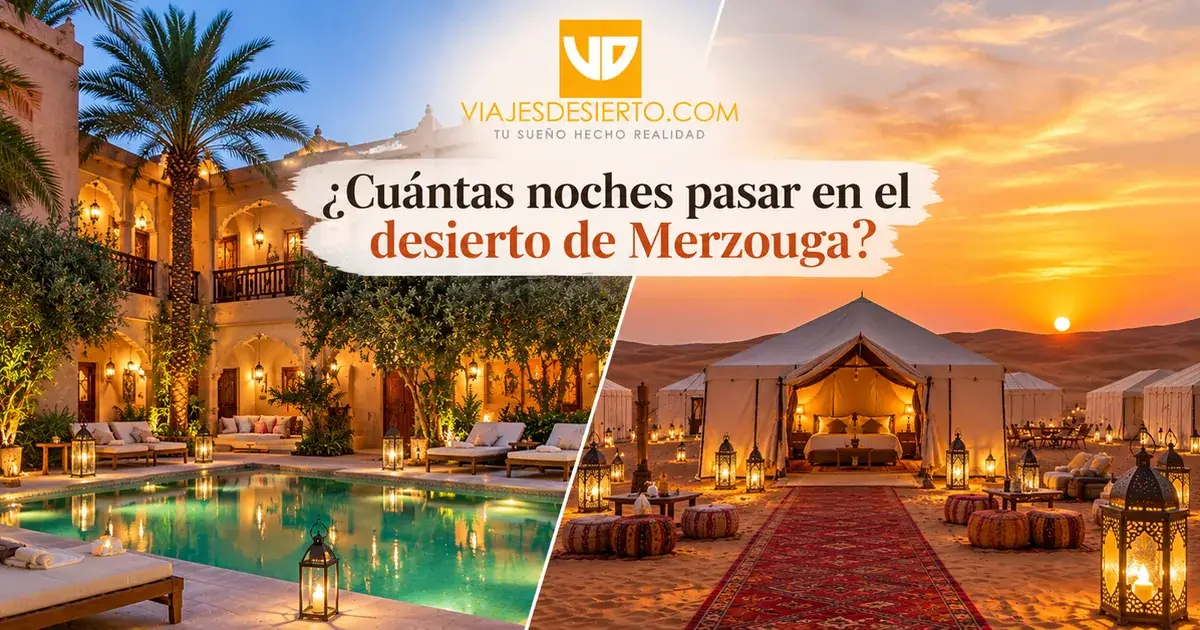
One of the most unforgettable experiences to see and live in Morocco is the Sahara Desert. The vast dunes of golden sand offer unique landscapes, especially at sunrise and sunset.
The most common activities include:
Camel rides
Night in a Berber camp
Traditional dinner under the stars
Local music around the fire
Observing the night sky
The most visited areas are Erg Chebbi, near Merzouga, and Erg Chigaga, which is more remote and wild.
Ait Ben Haddou and the kasbahs of the south
Ait Ben Haddou is a stunning fortified adobe village located on the ancient caravan route between the Sahara and Marrakech. It is a UNESCO World Heritage Site and has served as a filming location for numerous movies and television series.
In southern Morocco, other notable kasbahs and valleys include:
The Draa Valley
The Dades Valley
The Todra Gorges
Ouarzazate, known as the gateway to the desert
These landscapes combine mountains, oases, and traditional Berber architecture.
Atlantic coastal cities
Morocco also boasts miles of Atlantic coastline with extensive beaches and a mild climate year-round.
Among the most outstanding destinations are:
Essaouira, a port city with a walled medina and an artistic atmosphere
Agadir, leading modern beach destination
Tangier, gateway between Africa and Europe
These cities offer a relaxed alternative to the large inland cities.
Conclusion
Morocco is located in northwest Africa, very close to Europe and separated from Spain only by the Strait of Gibraltar. Its privileged position has made the country a natural bridge between continents and cultures throughout history.
Thanks to its geographical diversity, cultural heritage and proximity to Europe, Morocco is today one of the most complete and accessible tourist destinations for travelers from all over the world.